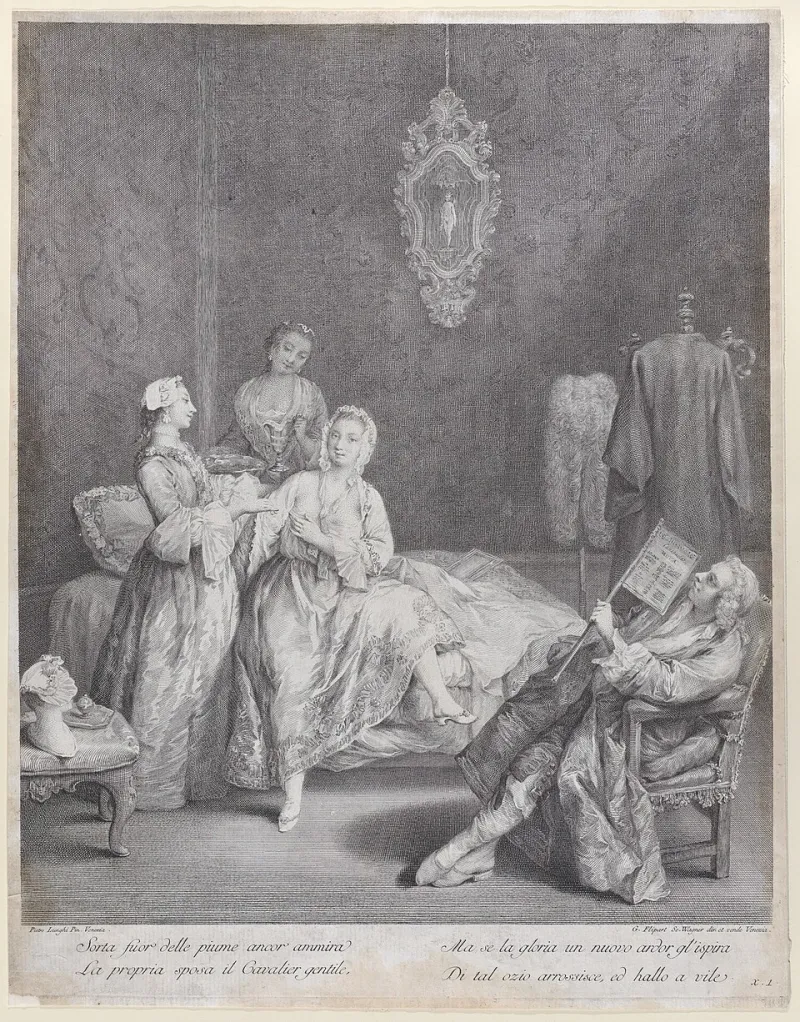
Dressed to Speak: The Art of Wearing Your Intentions

Before a single word leaves your mouth, your clothing has already introduced you. It has offered a perspective, established a tone, and invited—or deflected—a particular kind of attention. This is not a matter of vanity or superficiality. It is, in fact, one of the most consistent forms of communication available to us. And yet, most people engage with it unconsciously, assembling outfits by habit rather than by design.
The question worth asking is not merely what you are wearing, but what it is saying—and whether that message aligns with what you actually intend.
The Silent Grammar of Dress
Clothing operates according to a set of unspoken rules that vary by culture, context, and community. Researchers in social psychology have long noted that observers form lasting impressions within seconds of meeting someone, and that physical appearance—including dress—accounts for a significant portion of those initial judgments. This is not a flaw in human perception. It is an evolved efficiency, a shorthand that allows people to orient themselves socially.
What this means in practical terms is that your wardrobe is never neutral. A structured blazer in a boardroom signals preparation and authority. The same blazer worn with relaxed trousers at a creative agency reads as approachable confidence. Worn over a vintage band tee at a weekend gathering, it suggests someone who holds formality loosely—someone with range. The garment has not changed. The context has shifted its meaning entirely.
This is the grammar of dress: the same vocabulary can construct very different sentences depending on how the elements are arranged and where they appear.
Professional Environments and the Politics of Presence
In American professional culture, dress codes have undergone a dramatic transformation over the past two decades. The rise of tech industry casual, the normalization of remote work, and the broader cultural push toward authenticity have collectively loosened the traditional rules. And yet, the absence of a formal dress code does not mean clothing has become meaningless in professional settings. If anything, the ambiguity has made intentional dressing more important, not less.
When the rules are explicit, everyone operates within the same constraints. When they dissolve, individual choices carry greater weight. The person who arrives to a client meeting in a considered, well-fitted outfit—one that reflects both personal sensibility and situational awareness—communicates something quite specific: that they understand context, that they pay attention to detail, and that they respect the occasion enough to have prepared for it.
This is not about conforming to a corporate aesthetic. It is about demonstrating fluency. A contemporary wardrobe built with intention allows its wearer to modulate their presence depending on the room—without ever feeling inauthentic.
Cultural Signaling and the Responsibility of Awareness
Clothing also functions as cultural signaling, a way of affiliating oneself with particular communities, values, and histories. In the United States, a country shaped by an extraordinarily diverse range of cultural traditions, this dimension of dress carries genuine weight. What reads as elegant minimalism in one context may register as cold detachment in another. What feels like expressive celebration in one community may appear excessive elsewhere.
Navigating this landscape thoughtfully requires a kind of sartorial empathy—an awareness that your audience brings its own interpretive framework to every encounter. This does not mean dressing to please everyone. It means understanding that clothing is relational: it exists in dialogue with the people around you, not in isolation.
For designers and style-conscious individuals alike, this awareness opens a more nuanced conversation about what it means to dress well. Dressing well, in this sense, is not simply about aesthetic excellence. It is about communicative clarity—knowing what you want to say and choosing garments that say it.
Personal Relationships and the Intimacy of Style
Outside of professional and public contexts, clothing continues to communicate—often in ways that are more personal and emotionally resonant. The way someone dresses for a first date, for a family gathering, for a quiet dinner with a close friend—these choices carry emotional information that goes well beyond aesthetics.
When you dress with care for someone's company, that care itself is a message. It signals that you have considered the occasion, that you value the relationship, that you are present. Conversely, a habitual carelessness in personal settings can communicate disengagement, even when none is intended.
This is not an argument for dressing up at every opportunity. It is an invitation to recognize that the choices you make every morning—however small—are communicative acts. A wardrobe designed with this understanding becomes a tool for expressing not just who you are, but how you feel about the people and places in your life.
Designing a Wardrobe That Speaks With Intention
So how does one begin to build a wardrobe that communicates with greater precision? The process starts with honest self-examination—not of your existing clothes, but of your existing messages.
Consider the environments you move through most frequently: the professional spaces, the social circles, the personal relationships. In each of these contexts, ask yourself what you want to communicate. Authority? Warmth? Creativity? Accessibility? Discretion? These are not abstract qualities. They can be translated directly into silhouette, palette, texture, and proportion.
From there, evaluate your current wardrobe against those intentions. Where does it align? Where does it contradict? A closet full of garments that communicate one thing while you intend another is not merely an aesthetic problem—it is a form of miscommunication, one that can create friction in your relationships and your professional life without you ever identifying the source.
The goal is not a wardrobe that performs a false version of yourself. It is a wardrobe that represents your actual values, your genuine sensibility, and your considered intentions—one that speaks on your behalf with the same clarity and care that you would bring to any important conversation.
The Wardrobe as a Living Statement
Clothing will always communicate. The only variable is whether that communication is deliberate or accidental. A wardrobe designed with intention—one that reflects both personal authenticity and contextual awareness—transforms dressing from a daily obligation into a form of ongoing self-expression.
This is, ultimately, what contemporary style is capable of at its most thoughtful: not trend-chasing, not performance, but a coherent and evolving statement of who you are and what you value. Your closet is already speaking. The only question is whether you have given it the right words.