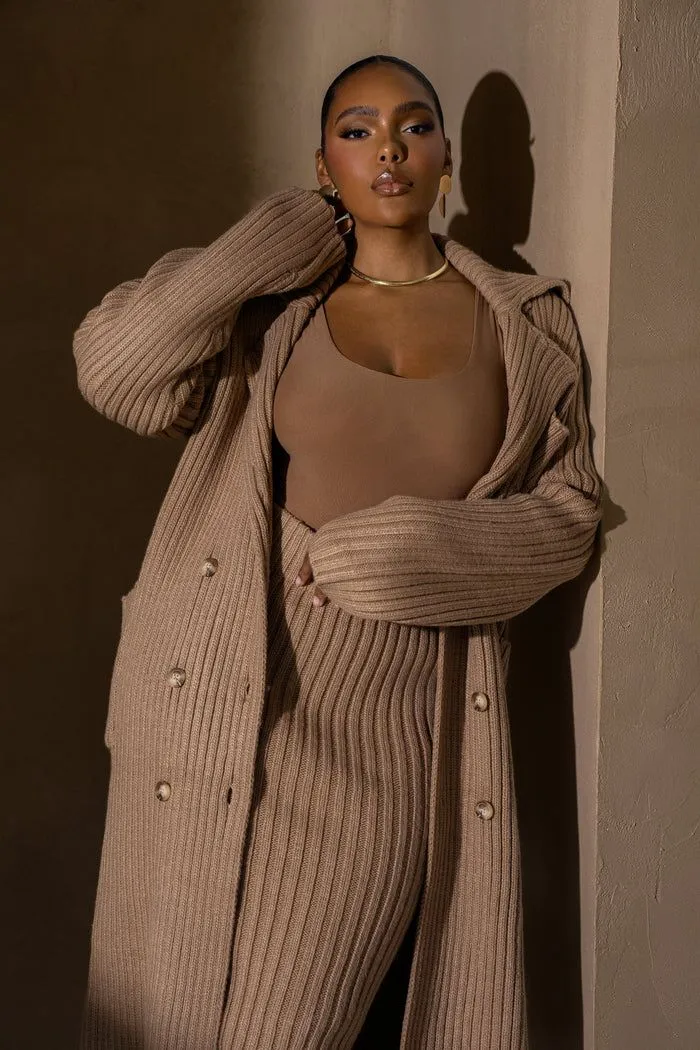
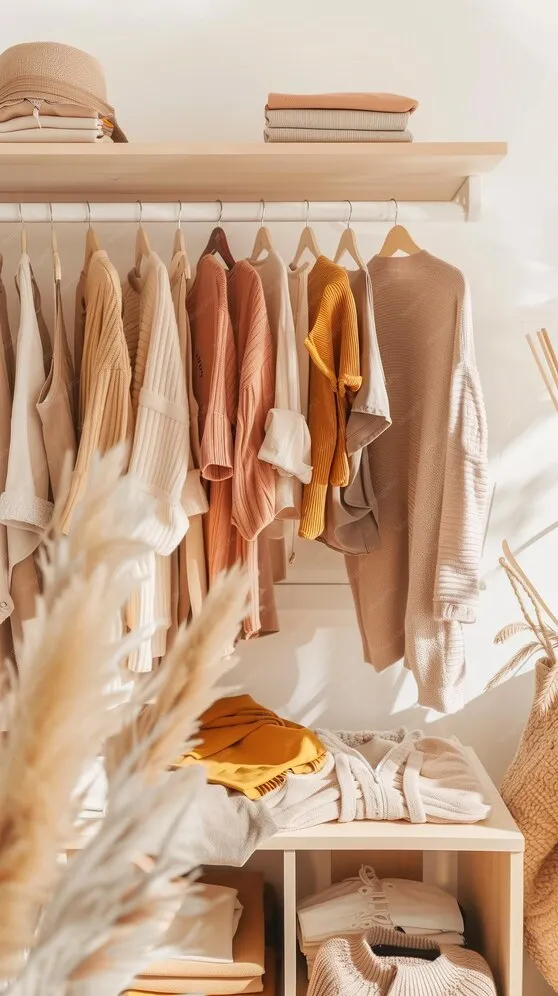
The Wardrobe That Grows With You: Designing for Longevity Without Sacrificing Relevance
Photo: آرش کامروا, CC BY-SA 4.0, via Wikimedia Commons
Every season arrives with its own visual language — a new palette, a shifted hemline, a silhouette that suddenly feels of the moment. And every season, the pressure to participate in that conversation can feel immediate, even urgent. The fashion industry has, for decades, built its commercial model on that urgency. But the most stylish people most of us know are not the ones who refresh their wardrobes every three months. They are the ones whose clothes seem to evolve quietly, purposefully, as they do.
This is not an accident. It is the result of a different relationship with clothing — one grounded in design thinking rather than trend consumption. At Suha Atiyeh, this philosophy shapes every collection we build. Pieces are conceived not for a single season but for the longer arc of a wardrobe, intended to remain relevant through shifts in context, climate, and personal taste. The principles behind that approach are ones any thoughtful dresser can apply.
Understanding the Difference Between Trend and Relevance
Trend and relevance are frequently conflated, but they operate on entirely different timelines. A trend is a moment — it arrives with momentum, peaks, and recedes, often within eighteen months. Relevance is a quality that persists because it is rooted in proportion, construction, and the kind of considered design that transcends cycles.
The distinction matters because it changes how you evaluate a purchase. A piece that is merely on-trend asks only one question: is this current? A piece that is relevant asks something more demanding: does this work within the context of how I actually dress, and will it continue to do so?
When you begin shopping from the second question rather than the first, the composition of your wardrobe shifts. You acquire fewer pieces that expire and more that compound — items whose value increases as they integrate with what you already own.
The Role of Silhouette in Lasting Style
Of all the variables that determine whether a garment ages well, silhouette is among the most consequential. Proportion is deeply tied to the mood of a given moment in fashion, but certain shapes carry a timelessness that makes them resilient across periods. Clean, uncluttered lines. Lengths that fall in relation to the body rather than in reaction to a trend. Shoulders that sit naturally rather than being engineered for a specific season's aesthetic.
Building your wardrobe around silhouettes in this category does not mean dressing without intention. It means choosing shapes that serve as a stable foundation — one that can absorb more directional pieces without being destabilized by them. A wide-leg trouser in a refined fabric. A blazer with a shoulder that reads as architectural rather than fashionable. A sheath dress whose proportions have held across decades because they are fundamentally correct.
These are the pieces that make seasonal updates feel like additions rather than replacements.
Layering as a Design Strategy, Not a Cold-Weather Necessity
Layering is often discussed in purely practical terms — a response to temperature. But as a design tool, it is one of the most versatile strategies available for keeping a wardrobe dynamic without expanding it.
Consider what happens when a single well-chosen piece is introduced into a combination that already works. A tailored vest over a simple dress. A lightweight duster over trousers and a fitted knit. A structured shirt worn open over a monochromatic base. In each case, the addition does not replace an existing element — it reframes the entire composition.
This is how a wardrobe of twenty pieces behaves like one of forty. Not through volume but through the intelligence of combination. Investing in pieces specifically for their layering potential — those with clean lines, considered proportions, and versatile tonal ranges — is among the highest-return decisions you can make when building a collection meant to evolve.
Updating Thoughtfully: What Seasonal Refresh Can Actually Mean
Rejecting the cycle of constant consumption does not mean ignoring the seasons entirely. There is genuine pleasure in responding to the shift from summer to fall, in the way a wardrobe begins to feel heavier, richer, more interior. The goal is not to be impervious to that rhythm but to engage with it selectively.
A seasonal refresh, approached thoughtfully, might mean the introduction of one or two pieces that shift the mood of combinations you already wear. A new texture — a boiled wool, a velvet, a brushed cotton — added to a base of clean silhouettes. A single color that you have not worked with before, chosen because it integrates with what you own rather than demanding an entirely new context.
In this model, the wardrobe is not replaced seasonally. It is tuned. The core remains stable while the periphery shifts, and the result is a collection that feels current without requiring the financial and environmental cost of wholesale renewal.
Fabric and Construction as Long-Term Investments
The sustainable wardrobe is often framed as an ethical choice, and it is — but it is also, practically speaking, the more economical one over time. A garment constructed from quality materials, cut with precision, and finished with care will outlast three of its fast-fashion equivalents and look better for the duration.
When evaluating a piece for longevity, pay attention to how it is constructed at the seams, how the fabric responds to handling, and whether the finish suggests the garment was made to be worn repeatedly or merely to photograph well at the point of sale. These are qualities that become apparent with attention, and they are among the most reliable indicators of whether something will remain part of your wardrobe in three years.
Building a Wardrobe With a Longer Horizon
The wardrobe that grows with you is not assembled in a single afternoon. It is built incrementally, with each addition considered in relation to the whole rather than evaluated in isolation. It requires patience — the willingness to wait for the right piece rather than accepting the available one — and a clear sense of your own design logic.
But the result of that patience is a closet that feels, over time, increasingly like yourself. One that does not need to be replaced each season because it was never built on the premise of disposability. One that evolves, as you do, through addition and refinement rather than erasure and repetition.
That is the wardrobe worth building. And it begins not with a shopping list but with a point of view.