Dressed in Layers: The Designer's Approach to Building Outfits With Presence and Intention
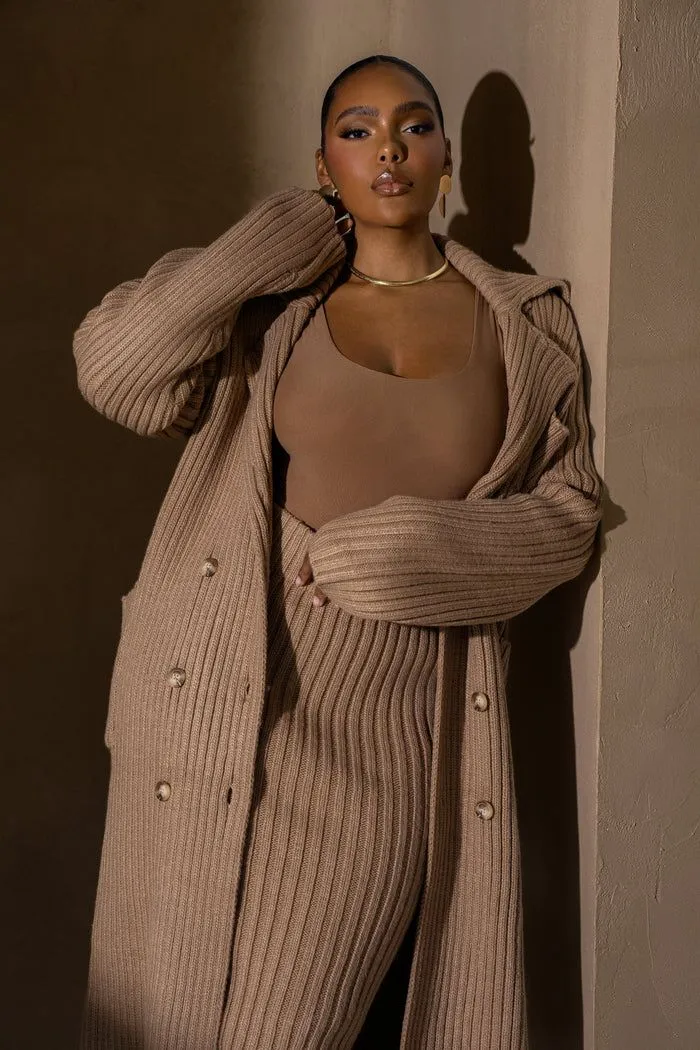
Photo: woman wearing sophisticated layered fashion outfit neutral tones blazer turtleneck editorial, via i.pinimg.com
There is a particular kind of confidence that comes from wearing an outfit that feels genuinely considered. Not overdressed, not underdressed — simply composed. For many fashion-forward individuals, that sense of careful construction begins not with a single statement piece, but with the relationship between several. Layering, when practiced with a designer's eye, becomes an art form that elevates even the most foundational wardrobe staples into something worth studying.
At Suha Atiyeh, the philosophy of contemporary dressing has always centered on intention. A garment is not merely something you put on — it is something you build around. Layering is the architectural expression of that belief.
Understanding Proportion Before Reaching for a Second Piece
The most common mistake in layering is treating it as an additive exercise — simply piling on garments without regard for how they interact spatially. Proportion is the silent language of a well-layered look, and mastering it begins with understanding the relationship between volume and structure.
Consider a fitted turtleneck worn beneath an oversized blazer. The turtleneck's streamlined silhouette creates a defined base, while the blazer introduces volume at the shoulders and chest. The contrast between the two is what generates visual depth. Were both pieces to share the same volume, the result would read as shapeless rather than intentional.
The rule of thumb — though design rarely lives by rules alone — is to move from fitted to relaxed as you build outward. A slim-fit base layer beneath a structured mid-layer, finished with a fluid outer layer, creates the kind of dimensional silhouette that reads as effortlessly styled rather than haphazardly assembled.
Fabric Combinations That Communicate Sophistication
Beyond proportion, the dialogue between different materials is where layering becomes genuinely sophisticated. Unexpected fabric pairings introduce tactile interest that photographs beautifully and reads as thoughtfully curated in person.
Linen beneath cashmere. A silk slip dress worn over a fitted ribbed long-sleeve. A crisp cotton poplin shirt layered under a softly draping wool coat. Each of these combinations creates what designers often refer to as textural tension — the sense that two materials are in productive conversation with one another, each making the other more interesting by contrast.
In practical terms for an American wardrobe, this might mean revisiting pieces you already own with fresh eyes. That satin camisole you reserve for summer evenings? Try it layered beneath a chunky knit sweater in October, with just the hem and delicate straps visible. That sheer organza blouse buried at the back of your closet? Wear it over a fitted turtleneck for a winter look that feels both modern and considered.
Seasonal Applications: Layering With Purpose Throughout the Year
Layering is often framed as a cold-weather strategy, but its applications extend across every season. The key is adjusting the weight and transparency of your chosen pieces to suit the climate.
Autumn and Winter: This is the most intuitive season for layering, and the one where proportion play carries the most visual impact. A structured wool blazer worn over a fine-knit crewneck, paired with wide-leg trousers and a longline coat, creates a cohesive column of texture that feels polished without appearing bulky. Monochromatic layering — building a look entirely within one color family — is particularly effective in winter, as it elongates the silhouette while allowing fabric and texture to take center stage.
Spring: Lightweight layering in spring is an exercise in restraint. A trench coat worn open over a midi dress, or a linen shirt left unbuttoned over a fitted tank, communicates an ease that is entirely seasonal. The goal is to suggest depth rather than construct it.
Summer: The most refined summer layering involves sheer fabrics, open weaves, and strategic exposure. A broderie anglaise blouse worn over a fitted bandeau, or a lightweight mesh top layered over a solid base, introduces dimension without adding warmth.
The Role of Color in Layered Composition
Color is the element that unifies — or disrupts — a layered look. For those new to building multidimensional outfits, beginning within a tonal palette is the most forgiving approach. Tonal layering, in which pieces share a similar hue but vary in shade and texture, creates a look that feels cohesive and intentional without requiring the precision of a perfectly matched outfit.
For the more experienced eye, contrast can be used as a deliberate compositional tool. A bright inner layer peeking out from beneath a neutral outer piece — a cobalt blue shirt visible beneath an oatmeal linen jacket, for example — creates a focal point that draws attention to the structure of the overall look.
At Suha Atiyeh, contemporary collections are often built around this principle: the idea that color is not decoration, but architecture.
Practical Wardrobe Strategies for Elevated Layering
Building a wardrobe that layers well requires a degree of intentionality at the point of purchase. Certain foundational pieces serve as exceptional layering vehicles: fitted turtlenecks in neutral and rich tones, long-sleeve fitted tops in silk or modal, lightweight cardigans in fine knits, and open-front blazers in structured fabrics.
Equally important are what might be called anchor pieces — garments substantial enough to hold a layered look together. A well-cut blazer, a longline coat, or a structured vest each provides the kind of visual weight that gives a layered composition its integrity.
The practice of laying your pieces out before dressing — literally arranging them on a flat surface to preview their interaction — is a habit shared by many designers and stylists. It allows you to assess proportion, color, and texture before committing to a combination, and often reveals unexpected pairings that work far better than anticipated.
Layering as a Design Philosophy
Ultimately, the most compelling argument for mastering the art of layering is not practical — it is expressive. A layered outfit communicates that the wearer has invested thought into how they present themselves to the world. It signals an awareness of composition, an appreciation for nuance, and a relationship with clothing that extends beyond utility.
In the contemporary fashion landscape, where fast consumption has made true personal style increasingly rare, layering offers a meaningful counterpoint. It asks you to slow down, to consider, and to build something from what you already have.
That, at its core, is the design philosophy behind Suha Atiyeh: that every wardrobe holds the potential for something extraordinary — it simply requires the intention to compose it.