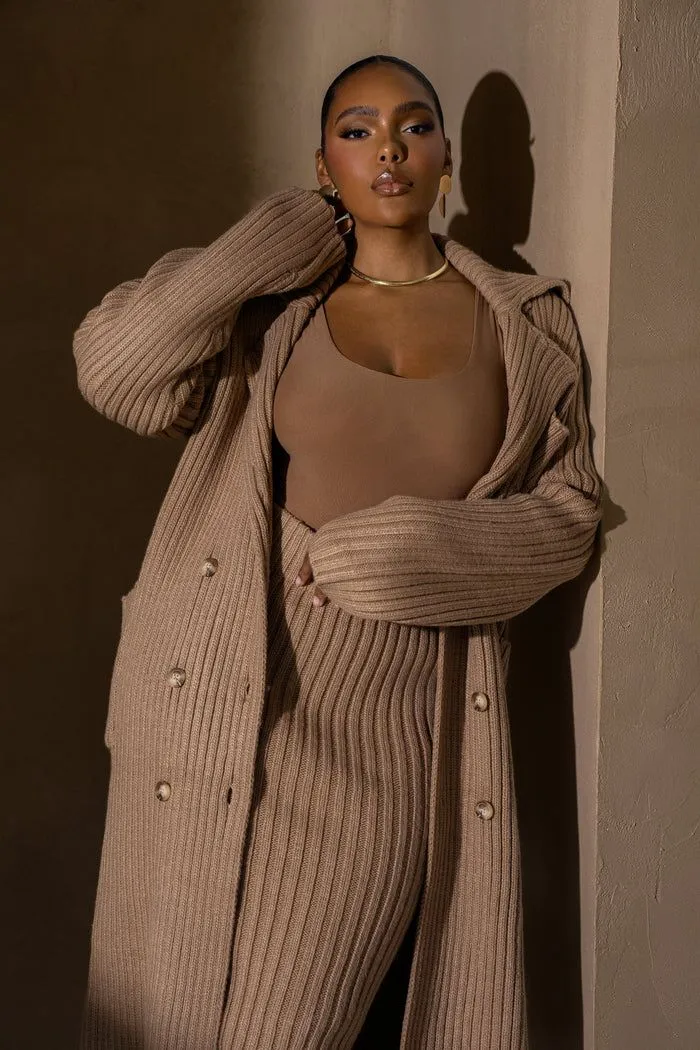
Beyond the Bare Minimum: Building a Wardrobe That Expresses Who You Actually Are
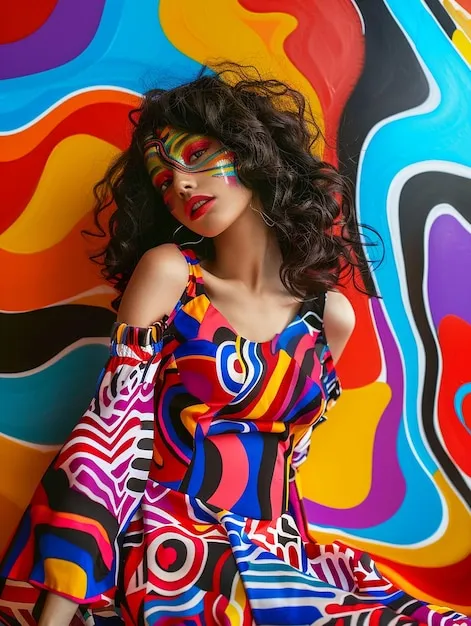
Photo: fashion-forward woman expressive colorful curated wardrobe personal style editorial photography, via img.freepik.com
For the better part of a decade, the prevailing wisdom in thoughtful fashion circles has been to own less. Fewer pieces. A tighter edit. The capsule wardrobe, in its most disciplined form, promised freedom through reduction — the idea that a carefully chosen collection of neutral basics would simplify decision-making and elevate daily dressing. And for many, it delivered exactly that.
But something has shifted. Quietly, and then all at once, a different kind of fashion conversation has emerged — one that questions whether restraint, taken too far, becomes its own form of self-erasure. Whether the pursuit of a perfectly edited wardrobe has, for some, come at the cost of genuine personal expression.
This is not an argument for accumulation. It is an argument for meaning.
The Difference Between More and More Intentional
The term "capsule maximalism" may sound like a contradiction, but it describes something that many contemporary fashion-forward individuals are already practicing intuitively: the art of building a wardrobe that feels both richly expressive and deeply considered. It is not about owning more for its own sake. It is about refusing to limit your aesthetic vocabulary to what is safe, neutral, or universally approved.
The distinction matters. Mindless accumulation — buying trend pieces because they are everywhere, adding items because they were on sale — produces a wardrobe that feels full but somehow still empty. Capsule maximalism, by contrast, begins with a clear sense of personal identity and builds outward from there, selecting pieces that carry genuine meaning, emotional resonance, or aesthetic conviction.
Think of it less like filling a closet and more like curating a collection. Every piece earns its place not because it is versatile or inoffensive, but because it contributes something irreplaceable to the larger composition of who you are.
Defining Your Design Philosophy Before You Shop
The most important step in building a wardrobe rooted in personal identity is one that happens before you purchase anything: defining your design philosophy. This is the framework through which every future acquisition will be evaluated — and it is the element most commonly skipped in favor of the immediate satisfaction of buying.
Your design philosophy is not a mood board. It is a set of convictions about how you want to move through the world and what you want your presence to communicate. It might be articulated in terms of aesthetic values: a commitment to craftsmanship, a preference for unconventional silhouettes, an affinity for particular cultural references or historical periods. Or it might be expressed more emotionally: the desire to feel powerful, or romantic, or intellectually interesting, or quietly subversive.
At Suha Atiyeh, this kind of intentional design thinking is embedded in every collection. Each piece is created with a point of view — not a trend response, but a genuine design conviction. Approaching your own wardrobe with the same rigor produces results that feel similarly cohesive and authoritative.
To begin defining your own philosophy, consider these questions: What do your favorite pieces have in common, beyond color or occasion? When have you felt most authentically dressed, and what were you wearing? What aesthetic qualities do you consistently admire in others, regardless of whether you would wear the same thing yourself?
Color Psychology as a Wardrobe Tool
One of the most powerful levers available to the intentional dresser is color — and one of the most significant ways that capsule maximalism diverges from traditional minimalism is in its willingness to use color with conviction.
Minimalist wardrobes tend to default to neutral palettes: ivory, black, camel, navy. These are safe choices, and they are not without beauty. But color carries meaning that neutrals cannot replicate. Research in color psychology consistently demonstrates that the hues we wear influence not only how others perceive us but how we perceive ourselves. Wearing a deep burgundy or a saturated cobalt is not merely an aesthetic choice — it is an act of self-signaling.
Building a wardrobe with a signature color story — a recurring palette that feels personally meaningful rather than trend-driven — is one of the most effective ways to create a cohesive aesthetic that reads as intentional rather than eclectic. This palette need not be small. It can include a wide range of tones and saturations. What matters is that each color has been chosen because it resonates with your design philosophy, not because it appeared in every store window in February.
Real Wardrobe Analysis: What Your Closet Is Actually Telling You
Most wardrobes, examined honestly, reveal a story. The pieces you reach for instinctively tell you something about your true aesthetic identity. The pieces you never wear — despite having purchased them with enthusiasm — often reveal where you have been dressing for an imagined version of yourself rather than your actual one.
A useful exercise: remove everything from your wardrobe and separate it into three categories. The first is pieces you wear consistently and feel genuinely yourself in. The second is pieces you keep for theoretical occasions or out of guilt about what they cost. The third is pieces you have been meaning to get rid of but have not.
The first category is your design philosophy made visible. Study it carefully. What do those pieces share? What do they say about the aesthetic you are actually drawn to, as opposed to the one you think you should have?
The second and third categories are where capsule maximalism's most important principle applies: owning something you never wear is not the same as owning less. A wardrobe full of pieces that do not resonate with your identity is, in a meaningful sense, emptier than a smaller wardrobe composed entirely of things you love.
Building Outward From Conviction
Once your design philosophy is articulated and your existing wardrobe has been honestly assessed, building outward becomes an exercise in addition rather than subtraction. The goal is not to limit your wardrobe to a prescribed number of pieces, but to ensure that every piece you add deepens the narrative of who you are.
This might mean investing in a sculptural coat in an unexpected color that anchors your entire cold-weather wardrobe. It might mean acquiring a collection of printed silk scarves that function as both accessories and statement pieces. It might mean building a library of interesting trousers — wide-leg, pleated, cropped, tailored — because you have identified that the bottom half of an outfit is where your personal style speaks most clearly.
Capsule maximalism does not prescribe a specific number of items or a particular aesthetic. It prescribes a level of intentionality — a commitment to choosing pieces that mean something, that contribute to a cohesive personal identity, and that you will still want to wear five years from now because they reflect something true about who you are.
The Contemporary Case for Dressing With Conviction
In a fashion landscape saturated with micro-trends and algorithm-driven aesthetics, there is something quietly radical about dressing with a genuine point of view. A wardrobe built on personal conviction — one that reflects your actual values, tastes, and identity rather than the current cultural consensus — is both more sustainable and more satisfying than one assembled in response to external pressure.
At Suha Atiyeh, the belief that contemporary style should be curated by design rather than dictated by trend is foundational. It is the principle that separates fashion as consumption from fashion as self-expression. And it is the principle that makes capsule maximalism not a contradiction, but a philosophy — one that offers something the minimalist capsule wardrobe, for all its elegance, cannot always provide: the particular pleasure of a wardrobe that feels unmistakably, expansively, and entirely your own.